
Excellent care for severely burned patients - with state-of-the-art technology
¹ National reference center for multi-resistant bacteria
According to the current international state of research, the main active components of cold atmospheric pressure plasmas are reactive nitrogen and oxygen species (RNS, ROS), UV radiation and electric fields.
"CPT cold plasma therapy is an important innovation in wound treatment and expands our range of therapies for burn injuries and complex large wounds, especially in cases of colonization or infection with multi-resistant germs"
Prof. Dr. med. Peter M. Vogt
Director of the Clinic for Plastic, Aesthetic, Hand and Reconstructive Surgery at Hannover Medical School Replantation Center Lower Saxony
Severe Burn Injury Center Lower Saxony
Director of the Clinic for Plastic, Aesthetic, Hand and Reconstructive Surgery at Hannover Medical School Replantation Center Lower Saxony
Severe Burn Injury Center Lower Saxony
"It was noticeable that there was no pain after the second CPT treatment and the skin was smoother than usual, especially on the buttocks.
The rapid wound healing was particularly impressive. Even though the patient is young and healthy and psychologically completely intact, the wound treatment was completed by the end of the seventh week. We've never had that before!"
Thomas Kirschning
Head of Diagnostics/Wound Treatment
The challenge of burns
Burns are among the most serious injuries that people can suffer. A burn is a thermal injury that results in tissue damage that can be caused by flames, hot liquids, vapors, gases, radiation, hot substances, and contact surfaces or friction. Electricity and chemical substances cause burn-like injuries. Electricity can cause superficial thermal damage, but also deep burns to tissue and organs. Chemical substances can cause exceptional skin and soft tissue damage that requires special assessment and treatment.
Nowadays, a wide range of specialized treatment methods can be used for different burn wounds. A precise clinical assessment of the burn wound by experts is therefore crucial for a differentiated therapy concept and successful treatment. The wound is assessed on the basis of the percentage of body surface area burned and the depth of the burn. The depth of the burn is divided into four degrees. From 2nd degree burns onwards, the top layer of skin (epidermis), the barrier against germs, is destroyed. The priority then is to protect the wound from infection in order to maintain good treatment and healing conditions.
Severe burns often lead to the development of burn disease with burn shock, which can damage all organs, have a negative impact on wound healing and increase susceptibility to infection. This can lead to serious complications such as pneumonia or wound infections as the disease progresses.
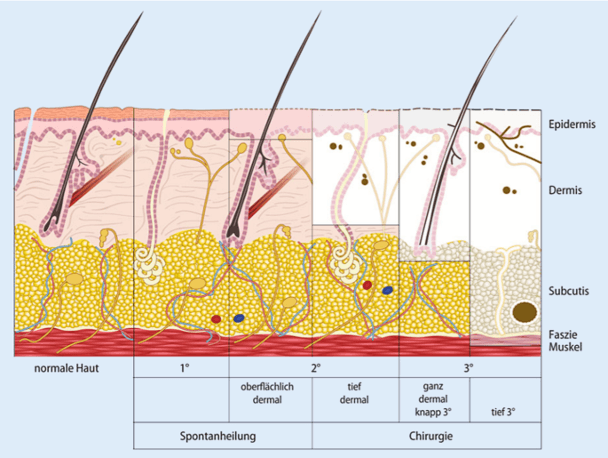
Presentation of the degrees of burns (Vogt PM, Ipaktchi K. Pathophysiology of burn disease. In: Wappler F, Spilker G (eds.). Burn medicine. Stuttgart: Thieme, 2008: 5).
As a result of severe infection, 75% of patients with extensive burns die.²
It can be assumed that, despite all measures, bacteria will spread on the wound after about a week. This is due to the ideal conditions that microorganisms find in the wound: The natural skin barrier is destroyed, the patient's general immune system is significantly reduced and there is a lack of blood flow, which prevents any defense cells present in the blood from being transported to it.
² Cf. Spanholtz, Timo A.;Theodorou, Panagiotis; Amini, Peymaneh; Spilker, Gerald; Dtsch Ärztebl Int 2009; 106(38): 607-13; Care of severely burned patients - acute therapy and aftercare
Effective against severe, extensive burn wounds: CPT®Therapy
Our innovative treatment method combats multi-resistant germs, promotes wound healing and reduces inflammation. Cold plasma therapy is safe and easy to perform and is already showing promising potential in the treatment of severe wounds³.
CPT® therapy is an effective infection management technology, particularly for large-area infections with multi-resistant germs⁴ and can be applied without direct contact with the wound, minimizing the risk of spreading germs.⁵
³ see Successful treatment of multi-resistant colonized burns with large-area cold plasma therapy and dermis substitute matrix - a case report, manuscript submitted
⁴ Application according to the instructions for use with the CPT®patch
⁵ see Successful treatment of multi-resistant colonized burns with large-area cold plasma therapy and dermis substitute matrix - a case report, manuscript submitted
The treatment method is suitable both as a stand-alone therapy and in combination with all other standard therapies and can therefore be used to prepare the wound bed for tissue replacement with exogenous skin substitutes or transplants of autologous skin (treatment of donor and recipient site). The preparation of the wound bed ensures a reduction in germs and can therefore have a positive effect on the ingrowth behavior of the transplants. The CPT® system is also optimized for negative pressure therapy (NPWT) and can be used in addition.
A case report on how the device was successfully used for burns can be found in the European Burn Journal:
How cold plasma works
The COLDPLASMATECH treatment system, consisting of a CPT®cube and a CPT®patch, uses Active Glow® technology to treat wounds.
The patented Active Glow® technology consists of cold, skin-compatible plasma. Cold plasma is energetically charged gas, the components of which act on the cell wall of unwanted microorganisms and damage them in such a way that the protozoa are no longer able to reproduce and die due to their lack of stress resistance. In this way, the technology has an antimicrobial and antifungal effect and kills a broad spectrum of even multi-resistant germs. The germ load is reduced by up to 99.999999% (Log8 reduction)⁶. In contrast to many other disinfectants, cold plasma, when applied correctly, is not toxic to cells and does not remain in the wound.
⁶ cf. Successful treatment of multi-resistant colonized burns with large-area cold plasma therapy and dermis substitute matrix - a case report, manuscript submitted

The simultaneous deep stimulation of the wound surface stimulates the formation of the body's own blood vessels and improves blood circulation. The wound is better supplied with oxygen and nutrients - the body's own wound healing processes are activated.
These two mechanisms of action ensure faster and better wound healing.
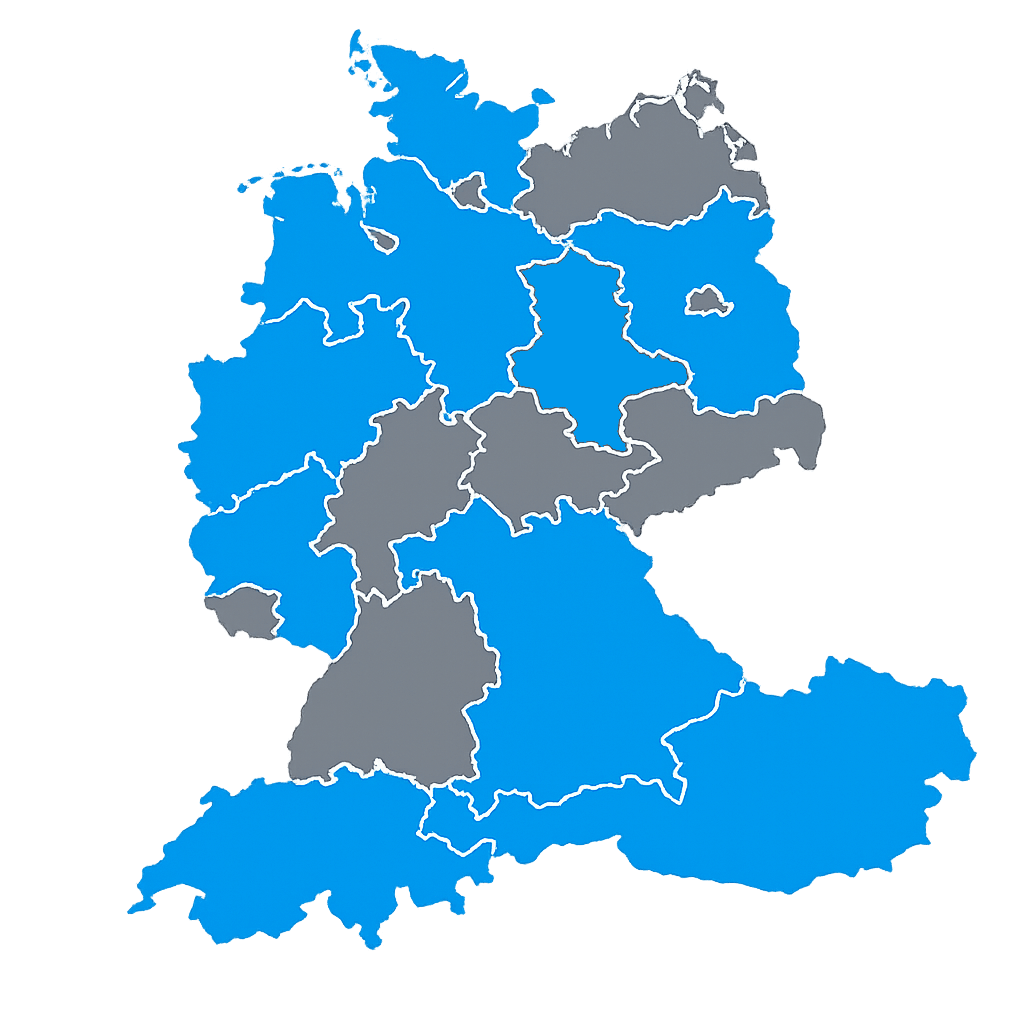
Our CPT®Plasma. Competence. Centers in the field of burn wounds
Certification as a CPT®Plasma.Competence.Center underlines the commitment to excellent patient care and continuous improvement in burns medicine.
Hanover Medical School
Clinic for Plastic, Aesthetic, Hand and Reconstructive Surgery
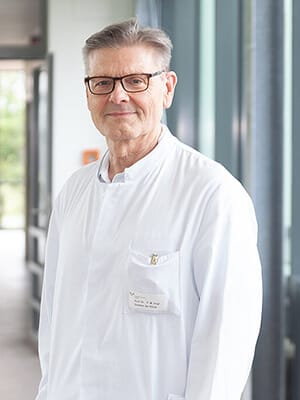
Professor Dr. Peter Maria Vogt, Clinic Director, emphasizes: "This new treatment option for severely burned patients offers the prospect of significantly better wound care, survival and quality of life for our patients."
Munich Bogenhausen Clinic
Clinic for Plastic Surgery, Hand Surgery, Burns Medicine

"I'm always interested in new methods, therapies and possibilities - even more so when they come from a German start-up like CPT. We are currently using the therapy in our severe burns center and are exchanging ideas with our network colleagues."
Rehab Clinic Bellikon / Switzerland
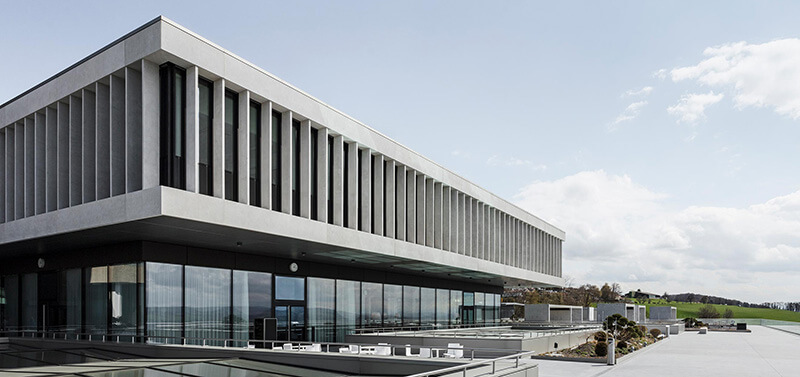
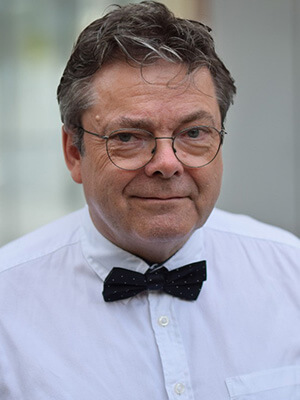
"I am open to new treatment methods and combine this with traditional methods. This is extremely interesting and effective."
Thomas Kirschning - Head of Diagnostics/Wound Treatment
BG Bergmannstrost Hospital Halle
Clinic for Plastic and Hand Surgery and Burn Injury Center
Cologne City Hospitals gGmbH
Children's Hospital (Riehl)
Clinic for Pediatric Surgery, Pediatric Urology, and Severe Burns
Schleswig-Holstein University Hospital
Section for Plastic Surgery, Hand Surgery, and Intensive Care Unit for Severe Burn Injuries
BG Accident Hospital Murnau
Department of Plastic, Aesthetic, and Reconstructive Microsurgery
Graz University Hospital
Department of Plastic, Aesthetic, and Reconstructive Surgery, Clinic for Surgery
